
"robusta production decline"
400 article(s) found

Characteristics of manor treatment in Ecuadorian coffee producing area at the altitude of coffee planting in Ecuador
Professional coffee knowledge exchange more coffee bean information Please follow the coffee workshop (Wechat official account cafe_style) Ecuadorian coffee covers an area of 305.000 hectares, of which Arabigo coffee accounts for 68% and Robusta coffee accounts for 32%. Coffee, cocoa and banana are the three traditional crops of Ecuador, which are not only the source of farmers' income, but also for the country.

Coffee Information | Coffee crisis, mankind's favorite drink is about to enter history.
Abstract: coffee is also a kind of plant, and the ever-changing weather has a great impact on coffee cultivation in recent years. Droughts, floods, infectious diseases and climate changes have posed a great threat to human coffee addiction. Do we really have to face the days when there is no coffee? When we read the newspaper and pick up the latte or espresso on the table, climate change seems to be

The Story of Coffee Culture Organic Coffee "Saving the Nation"
When it comes to Indonesian coffee, you may be familiar with Mantlin, Java or Sulawesi. In fact, East Timor also grows Arabica beans with unique flavor, which has always been a good bean for coffee diners in Europe and the United States. Coffee beans are a major export of East Timor. Kara Scalaro, former director of agriculture, pointed out that East Timor has an annual budget of about US $100 million, but coffee beans earn enough profits to cover East Timor.

The best coffee produced there is an introduction to the cultivation of coffee-producing countries in the world.
If the most expensive is the best, there is no doubt that it is Corby Ruwak. After all, the adjective "best" is a matter of opinion. The best coffee in the world: Kobe Ruwak Supandi opened the parcel of banana leaves taken from the cloth bag, revealing two strange 5-inch brown cylinders that looked like fir cones and peanuts.

Basic knowledge of all aspects of coffee
Linnaeus (Swedish naturalist) classifies coffee plants into the Rubiaceae family, such as gardenia. The great naturalist named it Coffea.

What is the spread of coffee in Asia? what are the coffee producing countries in Asia?
Professional coffee knowledge exchange more information about coffee beans Please follow the coffee workshop (Wechat official account cafe_style) although Arabs prohibit the export of coffee seeds, they are indeed very open inside. The first coffee houses known as Calvin Kahn opened in Mecca, and for the first time in human history, there was such a place, no matter who spent money on a cup of coffee.

What is the new breed of coffee in Barako? What effect can Barraco coffee have on the third wave?
Can the third wave save traditional coffee varieties from extinction? Barraco coffee has a strong smell and unique flavor and has a history of more than 200 years in the Philippines. Nowadays, it is difficult to find a place in the hearts and cups of the younger generation-but some Filipinos are asking if there is enough room for the third wave. What is KAPENG BARAKO? Carpengbalaco
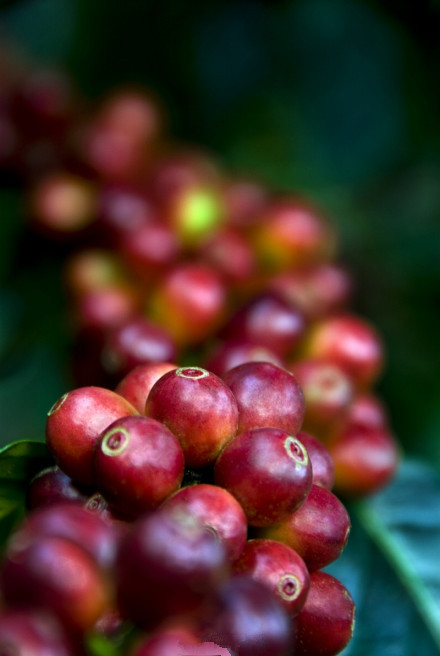
Coffee crisis with tricky tastes and fragile varieties
The price of coffee is forecast to rise by 25% by 2050. The livelihoods of 25 million people may depend on whether scientists can find a way to protect fragile coffee plants and berries. A whole year's coffee harvest may depend on the florescence of just a few days, when plants are particularly vulnerable to extreme weather. Last year, coffee leaf rust caused coffee farms in Nicaragua
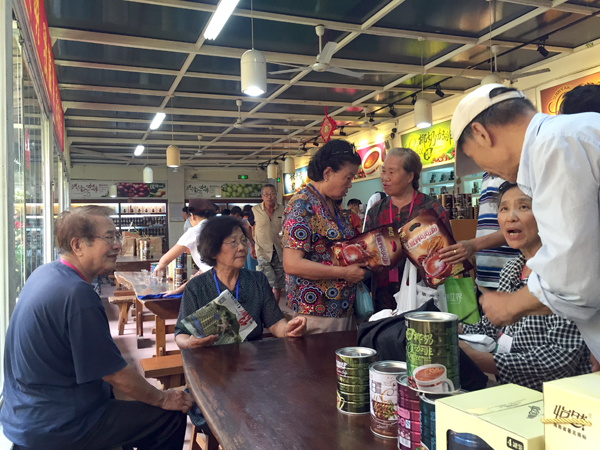
Watch out! Apart from tourists, what else can save the once brilliant authentic Xinglong coffee?
Presumably, there is such an experience when traveling to Xinglong, Hainan: Xinglong overseas Chinese Farm Coffee Factory is located in a botanical garden. We took us here with a tour guide to visit all kinds of tropical plants. The coffee factory exhibition area is very small. Some faded display boards introduce common knowledge such as coffee cultivation and coffee etiquette, which are easy to understand. There are some different kinds of coffee planted on both sides of the road, but it's a pity

A coffee estate where Indian coffee is very mild, strong and sour.
The term "fine coffee" was first put forward by Ms. Knudsen of the United States in Coffee and Tea magazine. At that time, Ms. Knudsen, as a coffee buyer at B.C. Ireland in San Francisco, was very dissatisfied with the neglect of the quality of raw coffee in the industry, and even some big roasters mixed a large amount of Robesda beans in the comprehensive beans, so she put forward the concept of boutique coffee.

A brief introduction to the treatment method of Grinding degree and Baking degree of Yunnan Katim Fine Coffee beans
Catimor: Katim is not pure Arabica blood, it is a hybrid of Timor (which belongs to Robusta) and caturra (a variety of Bobang), so catimor has 25% Robusta blood, and its Robusta blood also determines its taste defects: the aroma is not rich enough, and the overall taste is bitter, and it is prone to astringency and irritation.

Arabica Coffee Bean Origin Story description of flavor and taste characteristics of coffee varieties
The Arabica species (Coffeaarabica) originated from the Abyssinia Plateau of Ethiopia (Abyssinia, now known as the Ethiopian Plateau) and was initially eaten mainly as medicine (used by Islamic monks as a secret medicine for physical and mental therapy or for awakening the brain), 13
Coffee Basics About Coffee Trees and Caffeine
Linnaeus classified coffee plants in the Rubiaceae family, e.g. Gardenia. The great naturalist named it Coffea. Although plants in the wild can grow to 10-12 metres tall, those in plantations are about 3 - 5 metres tall, except in Colombia, where few species exceed 2 metres. This makes farming and picking easier and cultivation more economical. leaves

Basic knowledge of all aspects of coffee
Linnaeus (Swedish naturalist) classifies coffee plants into the Rubiaceae family, such as gardenia. The great naturalist named it Coffea. Although wild plants can grow as high as 10-12 meters, the plantations are about 3 to 5 meters high, with the exception of Colombia, where tree species rarely exceed 2 meters. This makes farming and picking easier and more economical to cultivate. Leaves

Santa Cruz Manor Coffee Manor Variety Flavor and Taste characteristics introduction of Fine Coffee beans
Ecuadorian coffee exports fell for the third year in a row. In recent years, the Latin American coffee industry has been plagued by coffee leaf rust (CoffeeRoya), and Ecuador has not been spared. Since 2012, coffee bean exports have lost a total of US $20 million, with exports of US $28.8 million, US $14.8 million and US $9.7 million respectively in the first five months of the past three years, with an annual decline of between 30 and 40 per cent.
Global coffee supply surplus Vietnam's coffee exports fell in volume and price in 2019
For more information on coffee beans, please follow the coffee workshop (Wechat official account cafe_style) according to statistics from Vietnam's Ministry of Agriculture and Rural Development, Vietnam exported 943000 tons of coffee in the first half of 2019, with an export value of US $1.6 billion, down 9.2% and 19.9% respectively from the same period last year. The main export markets of Vietnamese coffee are Germany and the United States, accounting for the export market of Vietnamese coffee respectively.

Basic knowledge of all aspects of coffee decaf coffee
Linnaeus (Swedish naturalist) classifies coffee plants into the Rubiaceae family, such as gardenia. The great naturalist named it Coffea. Although wild plants can grow as high as 10-12 meters, the plantations are about 3 to 5 meters high, with the exception of Colombia, where tree species rarely exceed 2 meters. This makes farming and picking easier and more economical to cultivate. Leaves

Current situation of coffee industry in Ecuador _ recommended by Ecuadorian coffee brands _ what kind of coffee is good in Ecuador
Professional coffee knowledge exchange more coffee bean information Please follow the coffee workshop (Wechat official account cafe_style) Ecuadorian coffee bean planting area of 305.000 hectares, of which Arabigo coffee accounts for 68% and Robusta coffee accounts for 32%. Coffee, cocoa and banana are the three traditional crops of Ecuador, which are not only the source of farmers' income, but also the source of income for farmers.

Why is it that when the price of coffee beans collapses, it becomes more expensive for stores to sell cups of coffee?
More information on coffee beans Please follow the coffee workshop (official Wechat account cafe_style) if growers set a minimum price for coffee beans to help hard-working farmers get paid for their work, consumers may have to pay more for coffee. Dozens of coffee plantation owners from Brazil to Colombia want to limit buyers' access to coffee, according to the Wall Street Journal.